
Documentary Photography
As you may know from my previous posts, I have a deep passion for photography. This interest was sparked when my son Raoul introduced me to the world of documentary photography, which has since captivated me.
Definition of Documentary Photography
Documentary photography encompasses images that strive to capture real-life scenes and events without manipulation. These photos serve to inform audiences about hidden aspects of contemporary life and often become part of the historical record. While motivations for pursuing documentary photography vary, most practitioners aim to address social issues, conduct research, raise awareness, or create compelling visual narratives. Authenticity is paramount in this style of photography, with practitioners avoiding manipulation of their subjects or images.
Kadir van Lohuizen
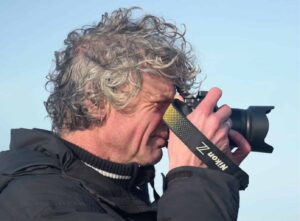

Below I will give you a short summary of some projects.
The Seven World Rivers
It tells the story of life on and along the seven great rivers of the world: the Niger, Ganges, Yangtze, Amazon, Donau, Ob and Mississippi. Kadir van Lohuizen followed the rivers from source to mouth. They are the connection between east and west, north and south and are silent witnesses of historical events. He started his river project in 1996 and it ended in 2003. Via the Niger, he made a long journey through the poorest parts of Africa. The poverty is evident in the photographs, but above all, the strength of the people he captures speaks volumes.
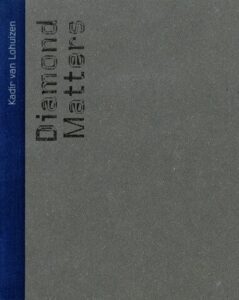
Diamond Matters

Via PanAm
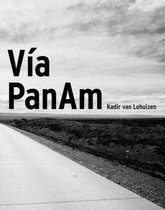

Migration is increasingly portrayed as a new threat but is a phenomenon as old as mankind. People move across the continent. Looking for work, a different life, a better life and fleeing because of conflicts. Sometimes people cross a border for this, often they move to other regions in their own countries. America in particular is an interesting continent because of its long history of migration and political developments in both South and North America. By examining and visualizing these movements, Kadir van Lohuizen wanted to contribute to a better understanding of migration and the Americas through PanAm.
If you are interested in seeing more about this, there is a Tedtalk where Kadir explains his project: Contemporary migration in the Americas
Wasteland
Wasteland is a project from 2016. For this, Kadir photographed garbage heaps in 6 world cities: Amsterdam, Jakarta, Sao Paulo, New York, Lagos and Tokyo. He climbed immense garbage dumps but also visited clean recycling centers. Plastic, cardboard, metal and food scraps, as far as the eye can see. The amount of waste produced by humans is already barely manageable and keeps growing. But are people aware of it? Is the problem solvable?
The Consequences of Rising Sea Levels
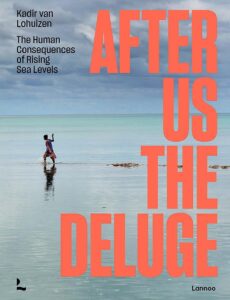

The exposition ‘After us the Deluge’ was in: Scheepvaartmuseum, Amsterdam
Food for Thought
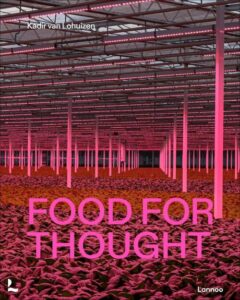

The how and what
Two decades ago, politicians in the Netherlands were concerned about whether there was enough food to feed some 17 million people in the Netherlands in the future. The challenge was to produce twice as much food with half as many resources. Well that succeeded! The Netherlands is the second largest food exporting country. The United States is number one.
So what made the Netherlands so great? Because of agricultural and food technology. People developed cultured meat, vertical farming, seed technology and use of robots in milking and harvesting. They also developed new techniques aimed at reducing water use as well as carbon dioxide (CO2) and methane emissions. Because the Netherlands covers a small area and has a rainy climate, the Netherlands have become very efficient
The exposition ‘Food for thought’ was in Scheepvaartmuseum, Amsterdam
Each project offers a unique perspective on pressing global issues, from environmental degradation to socio-economic disparities.
Awards


In 2000 and 2005, he won the Dick Scherpenzeel prize in Holland for best reporting on the developing world.
In 2006, he won the prize for investigative journalism in Holland and Belgium for his story on the diamond industry; he also received a second prize, contemporary issues, at World Press Photo for the same story.
In 2007, he won the Kees Scherer prize for the best photobook (Diamond matters) in Holland in the last two years.
Additionally, in 2006 he won a PDN annual award in the United States for his work in Chad.
For further exploration of his work, you can watch his documentary “This is what the Dutch food industry looks like” on VPRO: Part 1 Part 2 or visit the website of Noor, the photo agency he co-founded: Noor images
Conclusion
Kadir van Lohuizen’s contributions to documentary photography are invaluable, inspiring viewers to confront pressing societal challenges.
Johanna


